
Enter the Steam
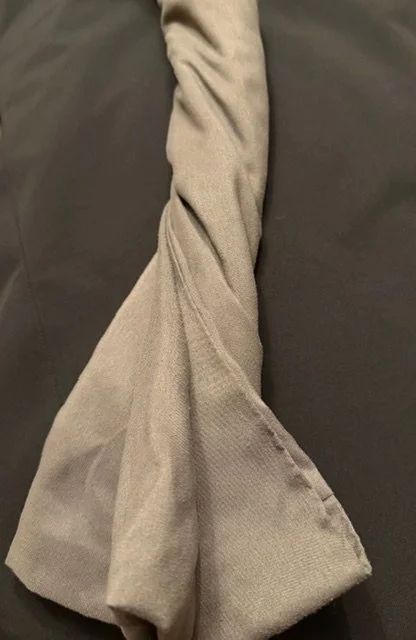
There’s a story written in the 1940s by William Sansom about prisoners who have to wring the water out of a long sheet. Have you read this? If they can get the sheet to dry completely, they can gain their freedom and leave the prison. But to complicate matters, every so often the wardens release steam into the prison rooms, dampening the sheets the prisoners been wringing out.
There are multiple rooms in this prison and the occupants of each one tackle this task in different ways—and some prisoners refuse to even try, which is their way. The story is fiction, described as Kafkaesque for being bizarre, oppressive, and strangely bureaucratic. (You’ll remember Kafka wrote the story about Gregor Samsa, the man who woke up one morning as a giant insect. That sort of thing.) The Long Sheet is a commentary on our attitudes toward work and whether we find ways to enjoy it or we get cynical and refuse to try.
With most of the U.S. getting major weather this weekend, my work yesterday revolved around shoveling snow. And as I shoveled, I thought about how my writing as of late has been rather snow-centric: The newness of snow, snow piling up, downhill skiing… These are all great metaphors. But yesterday I started thinking maybe I need to get my head out of the snow.
That’s when I remembered the story of the prisoners and the sheet they were trying to dry. I mean, just when you thought the prisoners were getting ahead of the dampness, the steam would enter into the picture. My situation yesterday seemed similarly futile.
Did the steam (and other obstacles) pull the rug out from under the prisoners and what they were trying to do, or did they double down on their efforts? I can tell you that they had varied reactions and you’ll have to read it to find out what happens.
But us, now: Do we go about our work or our daily tasks with gusto? Or are we just biding our time? Or have we, perhaps, become cynical about the futility of our work?
Likely you know what I’m going to say, but here it is, anyway: Doing what we love should be our North Star. But I also think we go through phases with each scenario--gusto, biding our time, and cynicism--and being in each mental place teaches us something. We learn how much we’re able to tolerate, how to adapt, how much we’re willing to do to change our situation, and even how much rest we need to make our next big move.
I remember driving home from work one day when I lived in D.C. and there were three accidents that night that each happened just a couple cars ahead of me. Three. It was nuts. I got back to my temporary apartment safely, if not shaking, and my friend’s mom who was visiting said I should get right back out there. (She was a lawyer. She never lost.) Anyway, she saw the look on my face and changed her tack, “Or maybe you need to slink off into the corner to lick your wounds,” she said. That stuck with me. Lick my wounds. I pictured a cat lazily licking its paw. But I went back out into traffic the next day. And while I didn’t necessarily come out swinging, after a night of friendship and rest and mental preparation, I was more than ready for the chaos of the morning commute.
Every day we show up, shovel, make the phone calls, go above and beyond, and try so hard for so long that when the steam comes to bring us back to square one--because it’s always on the way--what do we meet it with?
I’m sitting here today, wind burned, with Vaseline on my face, staring down my week ahead. I know my answer.